• Passa alla navigazione primaria
  • Passa al contenuto principale
  • Passa alla barra laterale primaria
diario comune

diario comune

  • HOME
  • INTRO
  • BLOG
  • LETTERE
  • CONTATTI

BLOG / DIARIO

MERENDA/ SNACK TIME, un racconto di Chiara Nuvoli, aprile 2020

_____________
Maggio 9, 2020

(English translation follows)


Merenda    
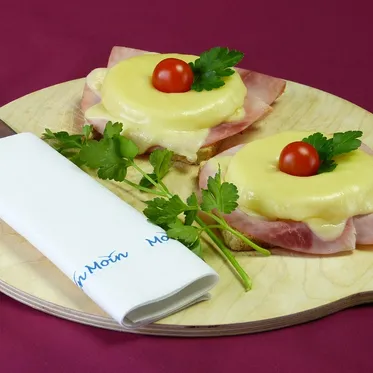
 

A casa ci sono i pavimenti di graniglia. Mi piacciono molto anche se quando ti ci cade una cosa puoi considerarla persa per sempre. Per esempio la settimana scorsa mi è caduto un orecchino: ero al centro della stanza, ho sentito che faceva tre rimbalzi e mi sono guardata intorno ma non l’ho più visto e poi ho passato dei minuti a cercarlo accucciata per terra con la torcia del cellulare e dopo ho passato la scopa e comunque niente, non è saltato fuori.    La consolazione è che non era uno dei miei preferiti, ma mi sembra sempre così inutile star lì a dirsi che poteva andare peggio, che può sempre andare peggio ma può poi anche andare meglio e insomma invece va proprio così in questo modo, e questo modo è che quando ti cade un orecchino su un pavimento di graniglia è perso per sempre. Mi pare anche Leibniz dicesse qualcosa del genere.

In ogni caso ero in piedi in mezzo alla stanza che mi guardavo intorno cercando di indovinare la traiettoria di questo orecchino che non era uno dei miei preferiti ed ero scalza perché mi piace camminare sul pavimento freddo quando l’ho pulito da poco ho visto i miei piedi e mi è sembrato proprio di essere al mare, perché questi pavimenti di graniglia hanno lo stesso colore della spiaggia dove ho passato un sacco di estati, una spiaggia scura di sabbia grossa che è secondo me come dovrebbero essere tutte le spiagge del mondo.

Un anno che ero ancora molto piccola nella spiaggia avevo fatto amicizia con una bambina che si chiamava Rita. I miei ricordi di qualsiasi cosa sia successa prima dell’adolescenza sono una cosa strana, una sorta di zapping tra scene fulminee e sconnesse a cui non mi riesce bene di dare un ordine di qualche genere e che non so davvero perché mi siano rimasti in mente. Così di Rita mi ricordo un bel po’ di cose e non so poi perché: non mi stava simpatica perché piangeva spesso e con voce stridula e molto alta, ma era diventata la mia amica di quell’estate per una questione di prossimità, perché i suoi genitori avevano affittato l’appartamento di fianco a quello che avevamo affittato noi in un residence che si chiamava “I girasoli”. Dalla porta della cucina potevi uscire proprio sulla sabbia                      e a ripensarci ora vedo con chiarezza il gran numero di abusi edilizi con tutta probabilità condonati nel giro di pochi anni di cui doveva essere figlio. Tornando a Rita, le altre cose che ricordo di lei sono queste: che era di Cremona, che aveva un costume verde e uno giallo, dello stesso modello, che aveva delle formine di plastica trasparente con i brillantini che le invidiavo molto e che non mi prestava volentieri, che ogni giorno, a metà mattina, dopo il bagno, la madre le dava un pacchetto di cracker per merenda e lei li mangiava mentre facevamo insieme i castelli di sabbia, e ogni cracker lo inzuppava,                            prima di mangiarlo, nel secchiello pieno d’acqua di mare.

Credo di aver letto da qualche parte che buona parte di quello che siamo da adulti, talenti e vocazioni e fastidi, dipende dall’insieme delle cose che abbiamo vissuto prima dei sei anni; così credo che la causa del ribrezzo che provo nei confronti dei cracker vada ricercata in Rita da Cremona.

La settimana scorsa quando ho perso l’orecchino nel pavimento della mia stanza era domenica e non avevo un granché da fare, e dopo che non ho trovato l’orecchino ho acceso il computer e mi sono messa in testa di trovare su facebook Rita da Cremona.            Ci sono ventinove Rita di Cremona, su facebook. Dopo un po’, seguendo un metodo non troppo scientifico, ne ho scelta una che ha la faccia di una persona con la voce stridula, caratteristica che sono certa quella Rita di Cremona non abbia perso negli anni. Nella foto porta una maglietta gialla, ha studiato ingegneria gestionale, ha gusti musicali tremendi        e condivide articoli di fanpage dove i bambini spiegano cos’è l’amore. Allora deciso che è lei le mando un messaggio. Le chiedo se è andata in vacanza in Sardegna, da piccola, in un appartamento sulla spiaggia, se aveva delle formine trasparenti coi brillantini e due costumi dello stesso modello ma di colori diversi, e perché bagnasse i cracker nell’acqua salata,        e come facesse a non esserne disgustata.

Per ora non ha risposto.


C.N., Roma, aprile 2020

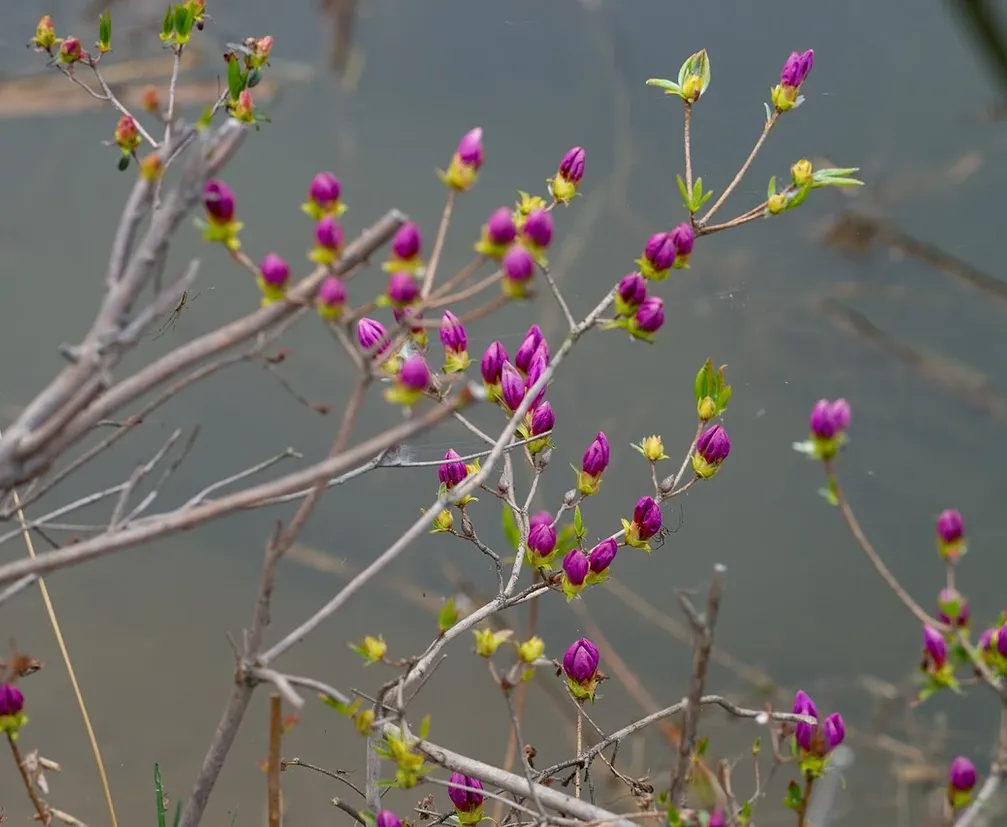
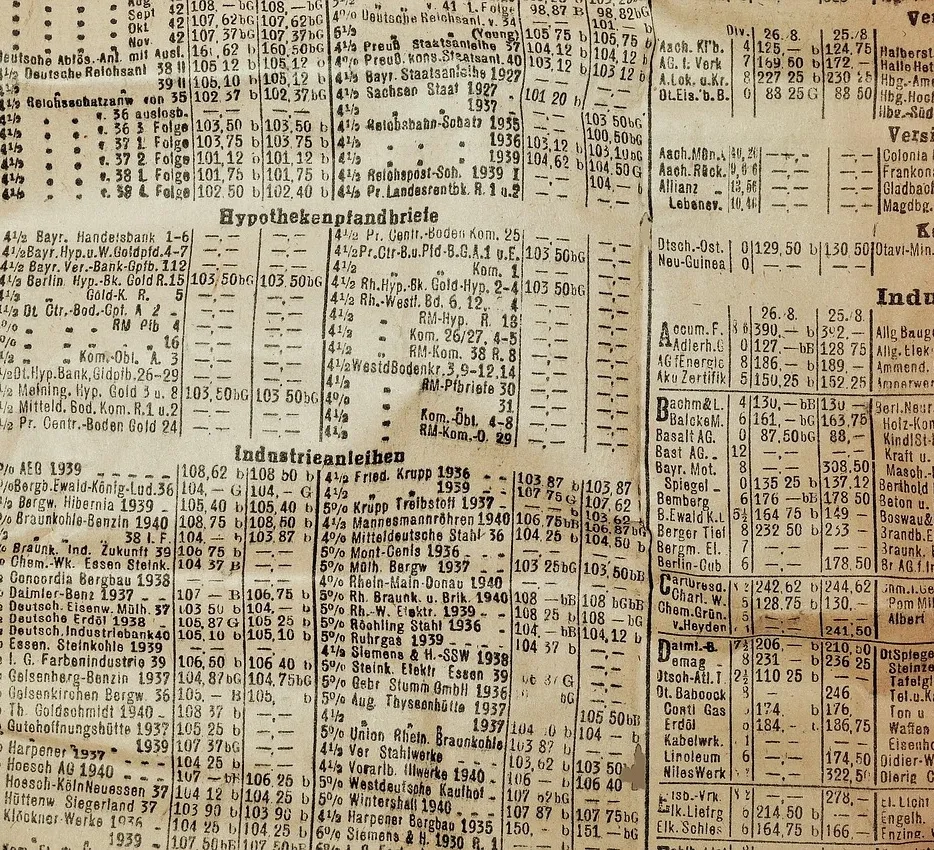
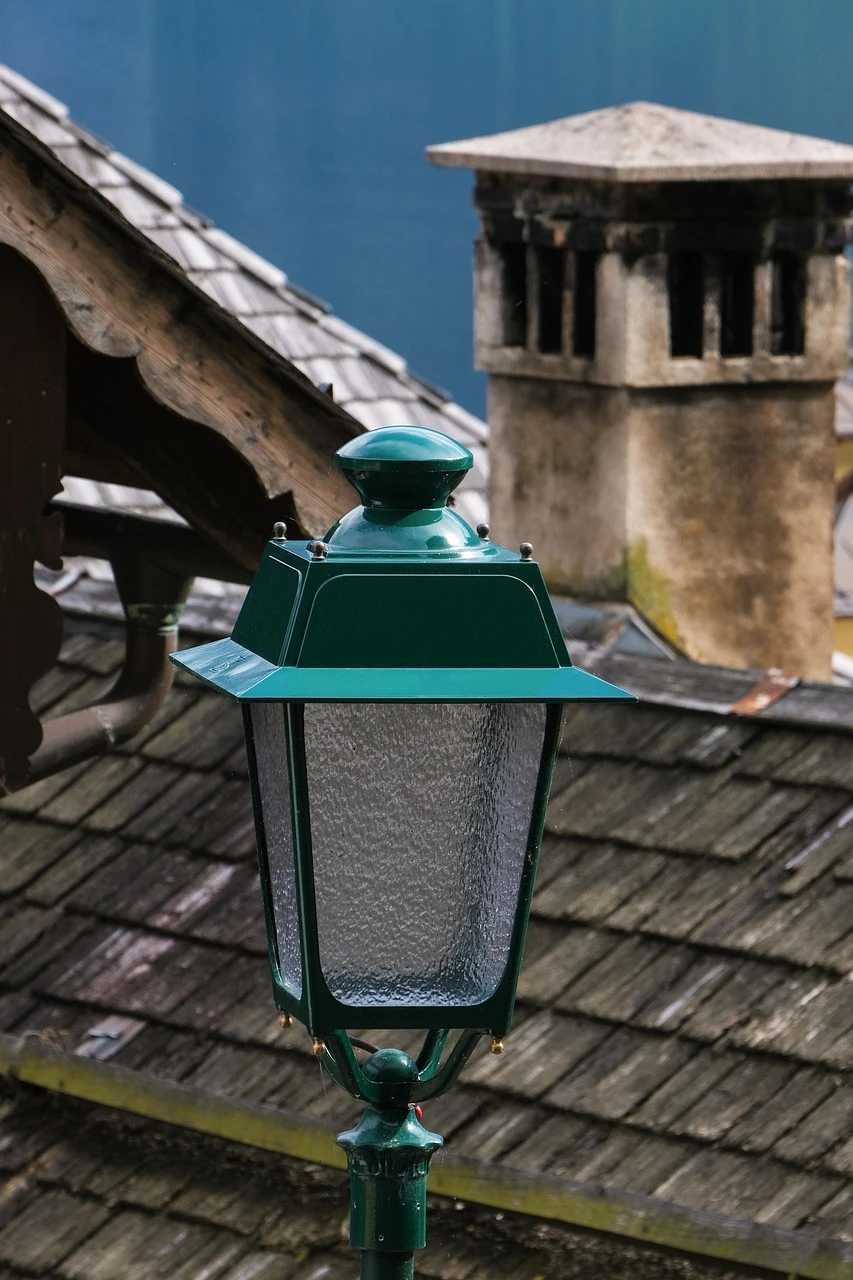
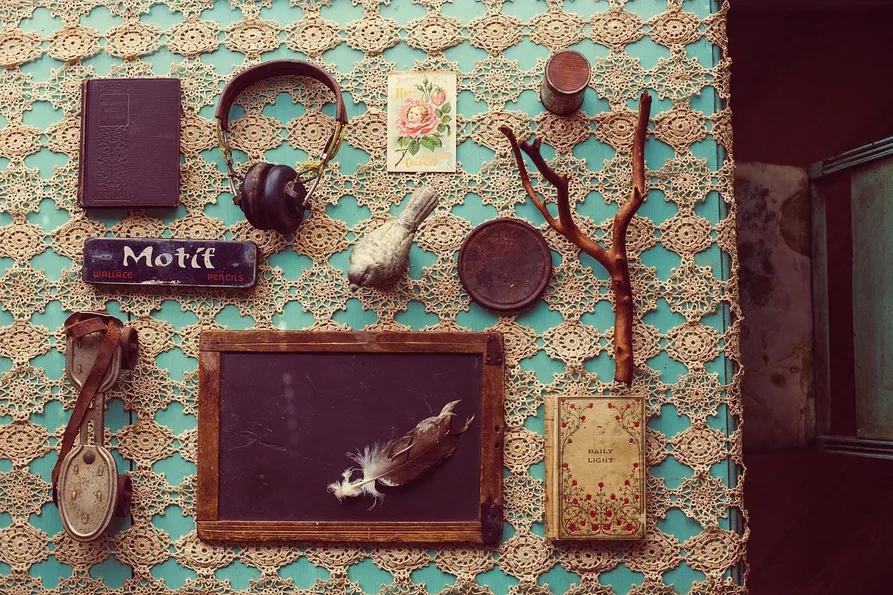
foto di Chiara Nuvoli / Instagram chiaranuv

::::::::::::::::::::::::::::::::::::::::::::::::::::::::::::::::::::::::::::::::::::::::::::::::::::::::::::::::::::::::::::::::::::::::::::::::::::::


Snack time

 

I have marble grit floor at home. I really like it, even if the moment you drop something you already know it’s lost forever in that confusion of colourful polished irregular tiny stones. Just as an example, last week I dropped an earring: I was in the centre of the room, I heard it doing three bounces and I immediately started looking around but I no longer could see it.   I spent the following minutes looking for it crouched down with the phone light on and I even tried swiping but it come out never again. The solace is it wasn’t one of my favourites, but it looks to me so terribly useless to keep repeating it could have gone worse when it could have also gone better and in the end this is how it goes, that is when you drop an earring on a marble grit you’re never going to see it again. I think Leibniz also used to say something similar.

Anyways I was standing in the middle of the room looking around trying to guess the not-one-of-my-favourites-earring trajectory and I was barefoot because I like walking on the cold floor when I recently mopped it and I saw my feet and I felt like I was at the beach, since these marble grit floors have the same colour of the beach I spent so many summers at,      a dark large-grained sand beach that is in my opinion how every beach of the world should be.

There was a summer when I was still very young and at the beach I became friend with a girl called Rita. My memories about anything that happened before being a teenager are          a strange thing, a sort of zapping of quick and disconnected scenes which I’m not one hundred percent able to order and that I don’t really understand why I kept in mind.            So I remember quite a lot about Rita and I don’t even know why: I didn’t like her because she cried often out loud and with a strident voice, but she became a friend of mine for a matter of closeness, since her parents rented the apartment next to the one we rented in     a residence called “I girasoli”, the sunflowers. You could reach the sand straight from the kitchen door and thinking about it now I can clearly see the great number of remitted unauthorized developments it was made of. Back to Rita, here are the other things                I remember about her: that she came from Cremona, that she had a green swimsuit and        a yellow swimsuit, both of the same model, that she had glittery clear plastic molds I really envied her for that she wasn’t very keen on lending me, that every day, before noon, after the swim, her mother would give her a packet of crackers for a snack and she ate them while we build sand castle, taking care of dunking every single cracker in the sand bucket full of sea water.

I think I read somewhere that a good part of ourselves as adults, talents and vocations and peeves, comes from the what we experienced before turning six; so I think the reason of my disgust for crackers is to be found in Rita from Cremona.

Last week when I lost my earring on the floor of my room it was Sunday and I wasn’t very busy, and after never finding my earring again I switched the computer on and I decided to look for Rita from Cremona on facebook. There are twenty-nine Rita from Cremona, on facebook. After a while, following a not really scientific method, I picked one with a strident voice look on her face, as I’m sure she still speaks that loud. She chose a picture in which she has a yellow t-shirt on, she studied industrial engineering, she has tremendous music taste and she shares articles form fanpage, a sort of Italian buzzfeed, in which children talk about love. So given it’s the right Rita I send her a message. I ask her if she went on holiday to Sardinia, as a child, in an apartment on the beach, if she had clear glittery plastic molds and two swimsuits of the same model, and why she dunked crackers in sea water, and how is it possibly not be disgusted by it.

She hasn’t answered yet.


C.N., Roma, april 2020

Photo by Chiara Nuvoli / Instagram chiaranuv
223

Contrassegnato con: Chiara Nuvoli

KRISTIN JONES, “TIMESCAPES”,2001-2020, video; musica di Walter Branchi

_____________
Maggio 4, 2020

https://vimeo.com/289175472
Arie (Eagle Lake, Adirondack Park), 2009.

Timescapes

Timescapes are an ongoing series of filmic works that frame the world from a single position to slow down and to magnify the most fundamental daily phenomena; the cycle of light, wind and weather. Composed of thousands of individual instances photographed seconds apart, the images are then reassembled at different tempos into lyrical sequences which are interwoven with sound. Timescapes are intended as quiet meditations on the nuances and subtle events perpetually occurring in nature, and are meant to magnify the ineffable intangibility of time.

Initiated in 2003 along the Tiber River in Rome, this series has iterations in diverse locations around the world, including inside the Pantheon, Eagle Lake in the Adirondack Park, and the Frick Collection’s 5th Avenue Garden endorsed by the institution.

These works are, in part, an evolving collaboration with Roman composer Walter Branchi, who works with ethereal resonances as the elements of his compositions. The ambient sound pieces which accompany the Timescapes are fragments of his lifelong work, Intero.

 
89

Contrassegnato con: Kristin Jones, Video, Walter Branchi

MICHAEL ZIEGLER, “Maschere” (senza titolo né parole), aprile 2020

_____________
Maggio 3, 2020

kein Kommentar
Michael Ziegler, Innsbruck, Aprile 2020

91

Contrassegnato con: Michael Ziegler

DIARIO DI BAGIGIAS # 2 , aprile 2020

_____________
Maggio 3, 2020

Le finestre di Kavafis, 29 aprile
(In these dark rooms where I spend stuffy days, I grope for windows)

.

*

Le finestre

In queste tenebrose camere, dove vivo

giorni grevi, di qua di là m’aggiro

per trovare finestre

( sarà scampo se una finestra s’apre).

Ma finestre non si trovano, o non so

trovarle. Meglio non trovarle, forse.

Forse sarà la luce altra tortura.

Chi sa che cose nuove mostrerà.

*

The Windows
.
In these darkened rooms, where I spend
oppresive days, I pace to and fro
to find the windows. — When a window
opens, it will be a consolation. —
But the windows cannot be found, or I cannot
find them. And maybe it is best that I do not find them.
Maybe the light will be a new tyranny.
Who knows what new things it will reveal.
.
      K.K., 1903
.
.
distant as Allan Kaprov, 25 aprile


                                                                collection of things I never understood,  28 aprile


My unhappy area of silence, 26 aprile

.

.

Bagigias (Arianna) è l’autrice del piccolo sigillo che congiunge un post all’altro nel nostro Blog
Bagigias (Arianna) is the author of the small seal design that joins one post to another in our Blog

115

Contrassegnato con: bagigias

LAZLO REVESZ, “Echo from other bells”, video, aprile 2020

_____________
Maggio 1, 2020

https://youtu.be/Dp5BczgE4l0
Echo, di Laszlo Revesz
17 aprile 2020, Budapest
 

A visszhang a remény egyik formája. Kéz a kézben sétál a képekkel. A visszhang elmúlik és újrakezdődik. 
A séta folytatódik…

Echo is a form of hope. He walks hand in hand with the pictures. The echo goes away and starts again. 
The walk continues…
51

Contrassegnato con: Laszlo Revesz

LE LETTERE DI TIRESIA # 2 di Fabrizio Sabelli, con “OCTOpath” di Sélène de Condat

_____________
Aprile 29, 2020

(ci-dessous, traduction en français)

T.


Roma, 23 aprile 2020

Eccomi a voi. Non sarà facile descrivere quello che il vostro Tiresia sta vivendo in questo momento. Fatti come quelli che sto per descrivervi non avvengono spesso nel nostro mondo. Ve lo riassumo in una sola frase: l’angelo sterminatore è in piena crisi. Credo si tratti di una sorta di depressione che spero temporanea.

Era seduto in un angolo. Stanco. La testa tra le mani. Mi sono avvicinato per ascoltare ciò che sussurrava tra se e se.

“Le ansie dei pensieri volano come farfalle. Si posano sui fiori primaverili appena sbocciati nella menti umane. I loro petali hanno colori insoliti. Le loro fragranze inebrianti invadono le strade della città che dorme in pieno giorno. I ciechi intravedono nel cielo i fili della speranza. I sordi odono, lontano, il mormorio del mare.

Le ansie dei miei pensieri volano come cicogne. Si adagiano discrete nei nidi del potere sulle sommità dei grattacieli. Il battito del loro becco è una straziante preghiera. Lassù, sospeso nel vuoto, un mostro meccanico, alato, ostenta il suo lanciafiamme. Gli gnomi della finanza e della crescita economica preparano le corde della loro impiccagione”.

Solo ora, ripetendo per voi le sue parole, credo di aver compreso la causa del suo malessere. L’ultima fase della sua missione sta per cominciare. La immaginate?

F.S.


OCTOpath

I sentieri della mente e del corpo si avventurano  laddove la fantasia cresce – come fiori selvaggi.
Solo la libertà è muro di pietra che argina  l’ignoranza dello spirito.
Sélène de Condat
2019
.
.
.

*

.
.
.
T.


25 avril 2020

Me voici, je suis à vous. Il n’est pas facile d’exprimer ce que votre Tirésias, l’aveugle qui voit ce que vous ne voyez pas, est en train de vivre en ce moment. Voici le fait du jour: l’ange exterminateur est en plein crise. Oui ! C’est bien cela ! Ce juge impitoyable de nos consciences est victime d’une sorte de dépression passagère.

Il était assis près de moi, fatigué, sa tète entre ses mains. J’ai écouté avec discrétion quelques unes de se phrases étonnantes :

« Mes pensées en désarroi, des papillons en vadrouille, s’envolent dans le ciel, se posent sur les fleurs du printemps aux couleurs insolites, soudainement germés dans les tètes des humains. Leurs fragrances enivrantes exhalent des villes endormies en plein jour. Les aveugles contemplent dans le ciel des espoirs filants. Les sourds perçoivent, loin, les messages de la mer.

Mes pensées prémonitoires, comme des cigognes, voltigent dans les airs. Ils se posent, discrets, dans les nids du pouvoir, haut perchés sur les sommets des gratte-ciels. Le battement de leurs becs est une prière déchirante. En haut dans le ciel, un monstre mécanique, ailé, brandit son lance-flammes pendant que les Gnomes de la haute finance et les Croisés de la croissance économique préparent les cordes de leurs pendaisons.

En répétant de mémoire les mots de l’ange, maintenant je comprends la cause de son malaise. La dernière étape de sa mission est en train s’amorcer.

F.S.

130

Contrassegnato con: Fabrizio Sabelli, Sélène de Condat

GIANLUCA CODEGHINI/ MARCO MARIANI, “We must let her go”, video, aprile 2020

_____________
Aprile 28, 2020


We must let her go, Private Pattering Project by Gianluca Codeghini e Marco Mariani
Milano, aprile 2020


63

Contrassegnato con: Gianluca Codeghini, Marco Mariani

IL DIARIO di Judith Lange, marzo-aprile 2020

_____________
Aprile 28, 2020

Ho conosciuto i  piccoli libri illustrati di Judith Lange, rilegati a mano uno ad uno,                  in una delle poche storiche librerie di Roma, luoghi di incontri e belle conversazioni e scoperte, la Fahrenheit 451 a Campo dei Fiori….non come quelle online che vogliono
imporre come unica via per il futuro… Qui i disegni realizzati durante la quarantena.
–
I met Judith Lange’s small illustrated books, hand-bound one by one,                                    in one of the few historical bookstores of Roma, places of meetings and beautiful conversations and discoveries, the  Fahrenheit 451 in Campo dei Fiori, not like the online ones they want impose as the only way for the future … Here the drawings made during the quarantine.
.
A.F.

.

                                    Nightmares

.

Siamo obbedienti agli ordini, aspettiamo nuovi consigli: libera uscita per categorie, passeggiate con bambini e anche no, lavori essenziali e quelli meno utili (?), spostamenti sì, ma non troppo lontani.
Ognuno predica e poi coltiva il proprio orticello mentre i grandi campi languono.
Invece questo potrebbe essere il tempo delle guarigioni, delle conciliazioni e della solidarietà.
.
.
                                           Waiting

.

 
We are obedient to orders, we are waiting for new advice: free exit by categories, walks with children and even not, essential and less useful jobs (?), movements yes, but not too far away. Everyone preaches and then cultivates their own vegetable garden, while the large fields languish. But this could be the time for healings, conciliations and solidarity.
.
.
                                you love Me?
.
.
Lo schermo della mascherina bianca e dei guanti è una necessità crudele per quanto riguarda le nostre relazioni visive, sonore e tattili. Aumentano il senso di smarrimento, di paure e di diffidenze, anche se si tenta di esorcizzarle con l’ironia e lo sbeffeggiamento, talvolta.
.
.
                               Look mom, virus
.
.
The screen of the white mask and gloves is a cruel necessity with regards to our visual, sonic and tactile relationships. They increase the sense of bewilderment, of fears and of mistrust, even if one tries to exorcise them with irony and mockery, sometimes.
.
.
                    this year we didn’t celebrate the carnival!
.

89

Contrassegnato con: Judith Lange

TELEGRAMMA DALLE FIANDRE #2 di Patrick Lateur, con una “Blackboard” di Pierluigi Fresia

_____________
Aprile 27, 2020

Pierluigi Fresia, dalla serie “Blackboards”

*


Cijfers en regels

Ik laat de danse macabre van cijfers aan mij voorbijgaan en voor mij is er ook niet veel gelegen aan het spinnenweb van regeltjes. Ik probeer me te houden aan de Wet van Maggy. Maar een andere cijferdans duwt het collectief ongeduld weer in de richting van weleer. Rendementsdenken, zelfs in het onderwijs, blijft blind voor nieuwe en onafwendbare isolering. Het lijkt een beetje op de collectieve waanzin, de communis insania waarmee Seneca een brief aan Lucilius eindigt. Leven volgens de eigen natuur is eigenlijk makkelijk, maar hanc difficilem facit communis insania; in vitia alter alterum trudimus – de collectieve waanzin bemoeilijkt dat, wij duwen elkaar in de fout. (41.9)


*


Cifre e regole

Lascio passare la danza macabra delle cifre e non mi interessa tanto la ragnatela delle piccole regole che stabiliscono i limiti dello sconfinamento. Provo di rispettare l’editto: stai a casa. Ma una altra danza delle cifre spinge l’impazienza collettiva nella direzione di qualche mese fa. Il pensiero utilitaristico, perfino nell’insegnamento, non vuole vedere un nuovo ineluttabile confinamento . Questo rassomiglia un po’ alla follia comune, alla communis insania di cui parla Seneca  in una sua lettera a Lucilio. Vivere secondo natura  sarebbe in fondo molto facile, ma  – hanc difficilem facit communis insania; in vitia alter alterum trudimus   – “la follia comune la rende una cosa difficile: ci trasciniamo l’un l’altro nei vizi” (41.9).


*


Figures and rules

I let the macabre dance of numbers  and I don’t care so much about the web of small rules that set the limits of trespassing. I try to respect the edict: stay home. But another dance of numbers pushes collective impatience in the direction of a few months ago. Utilitarian thinking, even in teaching, does not want to see a new inevitable confinement. This somewhat resembles common folly, the communis insania of which Seneca speaks in a letter to Lucilio. Living by nature would be very easy after all, but “the common madness makes it difficult: we drag each other into vices “(41.9).


Patrick Lateur, Aalst (Belgio), 25 aprile 2020


–

Accompagna il “telegramma” di Patrick Lateur una delle “blackboards” di Pierluigi Fresia in cui il disegno tracciato su una lavagna viene, come nel mandala di sabbia, subito dopo cancellato. Alla fotografia – specchio della communis insania – il compito vano di trattenerlo, restituendoci il cadavere della vita, la sua impossibilità a generare, a sostituirsi all’arte, all’immagine vivente.

Accompanies the “telegram” of Patrick Lateur one of Pierluigi Fresia’s “blackboards” in which the drawing drawn on a blackboard is, as in the sand mandala, immediately canceled. To photography – mirror of  “communis insania” – the vain task of holding it back, giving us back the dead body of life, its impossibility to generate, to replace art, the living image.


136

Contrassegnato con: Patrick Lateur, Pierluigi Fresia

BERND KOLLER, “Guardare oltre il CV19”, febbraio-marzo 2020

_____________
Aprile 26, 2020

Bernd è stato l’unico degli artisti che conosciamo ad ammalarsi di coronavirus…Lui, come altri amici di diario comune, Selene, Maria, Elzevir, Petra, Laszlo, Stefano e Cristina, seguendo il mio invito, avrebbero dovuto da marzo di quest’anno andare, uno alla volta, nell’eremo d’artista “Inclasificable” di Enrica a Cazalla della Sierra in Andalusia, dove ero stato per un mese proprio un anno fa… Ora ci troviamo tutti in ben diversa quarantena, anche se per fortuna riuniti, con tanti altri artisti, in diario comune, ma sappiamo in cuor nostro che Cazalla, anche solo come luogo dell’immaginazione, ci aspetta… Anche te caro Bernd la nube nera è passata e passerà. L’arte e la vita libera, oltre la nostra mortalità, sappiamo che non passeranno mai, come la neve e l’erba che hai fotografato durante la tua quarantena….Ora aspettiamo di vedere i tuoi  nuovi acquerelli!

A.F.

–

Bernd was the only one of the artists we know to get sick with Covid 19 … He, like other  friends of diario comune, Selene, Maria, Elzevir, Petra, Laszlo, Stefano and Cristina, following my invitation, should have gone, from March of this year, one at a time, in the artist’s hermitage “Inclasificable” of Enrica  in Cazalla della Sierra in Andalusia, where I had been happy  for one month just a year ago … Now we are all in a very different quarantine, but fortunately gathered, with many other artists, in diario comune, but we know in our hearts that Cazalla, also only as a place of imagination,  awaits us … You too dear Bernd, the black cloud has passed and will pass. Art and free life, beyond our mortality, will not cease to exist, like the snow and grass that you photographed during your quarantine. Let’s wait to see your new watercolors!

A.F.

*

B.K. , Verso Nord (durante la malattia), 29.2.2020 – 20.3.2020
Während unserer Covid19 Erkrankung verbrachten meine Freundin und ich drei Wochen (29. Februar bis 20. März 2020) in Quarantäne.
Wir erkrankten während eines Wochenendbesuchs in Fusch an der Glocknerstraße bei meinen Eltern. In dieser Zeit haben wir jeden Tag durch eine Fotografie durch ein ostseitiges Fenster mit dem Blick auf ein Feld dokumentiert.
Die liebevoll zubereiteten Mahlzeiten meiner Mutter und die lapidaren Fotos mit dem Handy wurden zu einem täglichen Ritual. Während meines Spitalaufenthaltes hat meine Freundin weiter Fotos gemacht und sie mir zugesendet.
Erst nach der Quarantäne konnten wir die kleinen Dachbodenzimmer, in die wir uns zum Schutz meiner Mutter und Großmutter zurückgezogen hatten, wieder verlassen. Wir hatten zum ersten Mal wieder den Blick auf die Berge im Süden, die nun zum begleitenden Fotomotiv wurden. Zur Zeit arbeite ich an dieser Serie mit Aquarellen und Fotos in Fusch weiter.

*

B.K. , Verso Nord (durante la malattia), 29.2.2020 – 20.3.2020

Durante la nostra infezione da Covid 19, io e la mia compagna abbiamo dovuto rimanere in quarantena per 3 settimane (dal 29 febbraio al 20 marzo). Ci siamo ammalati durante un weekend a casa dei miei genitori.

Ogni giorno ho fatto una fotografia attraverso la finestra sul lato est con la vista su un campo. I pasti che ci preparava con amore mia madre, e fare queste fotografie con il cellulare, sono diventati un rituale durante questo periodo. Nei giorni in cui ho dovuto rimanere in ospedale, la mia ragazza ha fatto le fotografie e me le ha inviate.

Dopo la quarantena abbiamo potuto lasciare le piccole stanze dove eravamo stati confinati per proteggere mia madre e mia nonna dall’infezione e abbiamo iniziato a fare fotografie dalla finestra del lato sud: per noi è stata come una rinascita. Per il momento sto ancora nel villaggio dove sono cresciuto, per riprendermi completamente dalla malattia. Sto lavorando quotidianamente ad una serie di fotografie e di acquerelli.

*

   B.K., verso Sud (dopo la quarantena)

During our Covid 19 Infection my girlfriend and I had to stay in quarantine for 3 weeks (February 29 th to March 20 th ). We got ill during a weekend at my parents house.

Every day I made a photography through the window on the east side with the view on a field. The meals we got from my mother (prepared with love every day) and doing this succinct photography with the cellphone became a ritual during this time. For the days I had to stay in hospital, my girlfriend did the photographs and sent them to me.

After quarantine we could leave the small rooms where we had to stay to protect my mother and grandmother from an infection and started doing photographies from the window of south side which felt like a rebirth. For the moment I’m still staying in the village I grew up to recover from the infection. I’m working on a series of daily photographs and watercolours.

–

Bernd Koller, febbraio-marzo 2020,  Fusch an der Glocknerstraße (Austria)

137

Contrassegnato con: Bernd Koller

ANDREA FOGLI / ERICH GRUBER & JOHN BERGER, “Animali e uomini”, 25 aprile 2020

_____________
Aprile 25, 2020

Non sappiamo quanto durerà la nostra quarantena, e il nostro distanziamento dalla libera vita. Sembra – ce lo stanno dicendo come se fosse un destino inevitabile – che nei prossimi anni ci ritroveremo in qualche modo distanziati, con movimento  e libertà condizionati. “Tempi moderni”, aveva immaginato Chaplin, o piuttosto uno Zoo digitale, dove ognuno sarà confinato, ben controllato e anestetizzato, dietro uno schermo elettronico. L’elicottero, o un piccolo drone – come è già accaduto – inseguirà  il solitario che, nel deserto, avrà l’ardire di correre sulla spiaggia. Figuriamoci ben altri e reali assembramenti: niente “Friday’s for Future”, cara Greta… Povera Terra, poveri noi.
Il 25 aprile, che in Italia (e in Portogallo) è l’anniversario della Liberazione, arriva così paradossalmente all’inizio di una zona d’ombra, dove non siamo più sicuri di avere in mano il nostro destino – in una condizione in fondo non molto diversa  da quella che gli animali hanno subito  e in molti casi subiscono ancora. Le parole di John Berger che ho scelto arrivano come un fulmine. Sugli animali, su di noi. Su gabbie più o meno invisibili.
A.F., 25 aprile 2020

*

We don’t know when our quarantine will end, with our distancing from free life. It seems – they are telling us as if it were an inevitable destiny – that in the coming years we will find ourselves somehow spaced, with conditioned movement and freedom. “Modern times”, Chaplin had imagined, or rather a digital Zoo, where everyone will be confined, well controlled and anesthetized, behind an electronic screen. The helicopter or a small drone – as has already happened – will chase the loner who, in the desert, will dare to run on the beach.  Let’s imagine other and real gatherings: no “Friday’s for Future”, dear Greta… Poor Earth, poor us…
April 25, to day, which is the anniversary of the Liberation in Italy (and Portugal), paradoxically arrives at the beginning of a shaded area, where we are no longer sure of having our destiny in hand, in a condition at bottom not much different from what animals have undergone and in many cases still suffer. The words of John Berger that I chose come like lightning. About animals, about us. On more or less invisible cages.
A. F., April 25, 2020

*

Erich Gruber, Vitrinenkerle, 2004

*

“The animals, isolated from each other and without interaction between species, have become utterly dependent upon their keepers. Consequently most of their responses have been changed. What was central to their interest has been replaced by a passive waiting for a series of arbitrary outside interventions”

“ Gli animali, isolati l’uno dall’altro e senza interazione tra le specie, hanno finito per dipendere dai lori guardiani. Di conseguenza la maggior parte dei loro riflessi si è modificata. L’istinto di sopravvivenza, che un tempo era fondamentale, è stato sostituito dall’attesa passiva di una serie di interventi arbitrari dall’esterno”

John Berger

Andrea Fogli, Felino, dal “Diario dei 59 grani di polvere”, 2018

*

“ However  you look at these animals, even if the animali is up against the bars, less than a foot from you, you are looking something that has been rendered absolutely marginal….Within limits, the animals are free, but both they themselves, and the spectators, presume on their close confinement”

“In qualunque maniera guardiate questi animali, anche se l’animale è incollato alle sbarre, a meno di un metro da voi…voi state guardando qualcosa che è stato reso assolutamente marginale…Entro certi limiti gli animali sono liberi, ma, al pari dei visitatori, sanno bene che la loro reclusione è totale”

Erich Gruber, Schwarzer Panther, 2001

*

“This reduction of animal, which has a theoretical as well as economic history, is part of the same processa s that by which men have been reduced to isolated productive and consuming units. Indeed, during this period an approach to animals often prefigured an approach to me. The mechanical view of the animal’s work capacity, was later applied to that of workers”

“Questa riduzione dell’animale, la cui storia è tanto teorica quanto economica, fa parte dello stesso processo che ha ridotto gli uomini a isolate unità di produzione e consumo. In effetti, durante questo periodo, l’atteggiamento nei confronti degli animali spesso prefigurava quello nei confronti dell’uomo. La visione meccanica della capacità lavorativa animale fu in seguito applicata a quella degli uomini”

Andrea Fogli, Sirena?, dal “Diario dei 59 grani di polvere”, 2018

*

“The decisive theoretical break came with Descartes. Descartes internalized, within man, the dualism implicit in the human relation to animals. In dividing absolutely body from soul, he bequeathed the body to laws of physic and mechanics, and, since animals were soulless, the animals was reduced to the model of a machine“

“La rottura teorica decisiva si è prodotta con Cartesio. Cartesio integrò in seno all’uomo il dualismo implicito nella relazione umana con gli animali. Superando di netto il corpo dall’anima, abbandonò il corpo alle leggi della fisica e della meccanica e ridusse gli animali, in quanto privi di anima, al modello della macchina”

Andrea Fogli, Il pulcino (The chick), dal "Diario dei 59 grani di polvere", 2018

Andrea Fogli, Il pulcino (The chick), dal “Diario dei 59 grani di polvere”, 2018

*

“Yet to suppose that animals first entered the human imagination as meat or leather or horn is to project a nineteenth-centuryattitude backwards across the millenia. Animals first entered the immagination as messengers and promises “

“Supporre che fin dall’inizio gli animali siano entrati nell’immaginario umano sotto forma di carne o cuoio o avorio, significa proiettare sui millenni precedenti un atteggiamento tipico del XIX secolo. Da principio gli animali entrarono nell’immaginario dell’uomo come messaggeri e come promesse”

Erich Gruber

Erich Gruber, Waldemar , 2001

—

Sentences from the book ” Why look to animals ? ” (2009) by John Berger;  drawings by Andrea Fogli, Roma, and Erich Gruber, Salzburg

109

Contrassegnato con: Andrea Fogli, Erich Gruber, John Berger

« Pagina precedente
Pagina successiva »

Barra laterale primaria

INDICE/ INDEX

JANNIS KOUNELLIS – due frasi scelte per il prossimo “Almanacco” di Diario Comune #6, febbraio 2021 (anteprima)

NINA KOVACHEVA & VALENTIN STEFANOFF,  “Paradise is Temporarily Closed. God ”, 2020.

ANDREA AQUILANTI, installazione per “UN’OPERA, UN ARTISTA, UN MESE”, Roma novembre 2020

DIARIO DI BAGIGIAS # 4 , giugno – ottobre 2020

Omaggio a Ettore Spalletti

MARINA PARIS , Archivio degli spazi, febbraio 2020

UGO GILETTA, Souvenir di Heike Curtze

ANDREA FOGLI, “Figure senza nome”, giugno 2020 (con traduzione in fiammingo di Patrick Lateur))

TELEGRAMMA DALLE FIANDRE #4 di Patrick Lateur, con “Nascita di Venere” di Felice Levini

CONTRAPPUNTI #3, di Benoit Angelet, Parigi, 10.6.2020, con i disegni di Regnier Angelet

TI DO TODI #1, di Matteo Boetti, “1-5-20”, Todi.

DIARIO DI BAGIGIAS # 3 , maggio 2020

MARCO TIRELLI. “We are the crowd…”, aprile 2020

LE LETTERE DI TIRESIA # 4 di Fabrizio Sabelli, con installazioni urbane di Fausto delle Chiaie

VALENTIN STEFANOFF, We The Poor of This World, 2013, Video, 6,50 min

CONTRAPPUNTI #2, di Benoit Angelet, Parigi, 16.5.2020

GREETINGS from Nuremberg, di Fredder Wanoth, marzo-aprile 2020

BERNARDI ROIG / Ejercicios para un tiempo clausurado Nº2 : Compartir el lugar (la cabeza)

LE LETTERE DI TIRESIA # 3 di Fabrizio Sabelli, con “Struttura di una nuvola”, 1964, di Antonio Sanfilippo

“DANCING POPPIES”, foto di Rurik Dmitrienko, 13.5.2020

CONTRAPPUNTI #1, di Benoit Angelet, Parigi, 11.5.2020

TELEGRAMMA DALLE FIANDRE #3 di Patrick Lateur, con “Protection circles” di Laszlo Revesz

MERENDA/ SNACK TIME, un racconto di Chiara Nuvoli, aprile 2020

KRISTIN JONES, “TIMESCAPES”,2001-2020, video; musica di Walter Branchi

MICHAEL ZIEGLER, “Maschere” (senza titolo né parole), aprile 2020

DIARIO DI BAGIGIAS # 2 , aprile 2020

LAZLO REVESZ, “Echo from other bells”, video, aprile 2020

LE LETTERE DI TIRESIA # 2 di Fabrizio Sabelli, con “OCTOpath” di Sélène de Condat

GIANLUCA CODEGHINI/ MARCO MARIANI, “We must let her go”, video, aprile 2020

IL DIARIO di Judith Lange, marzo-aprile 2020

TELEGRAMMA DALLE FIANDRE #2 di Patrick Lateur, con una “Blackboard” di Pierluigi Fresia

BERND KOLLER, “Guardare oltre il CV19”, febbraio-marzo 2020

ANDREA FOGLI / ERICH GRUBER & JOHN BERGER, “Animali e uomini”, 25 aprile 2020

TELEGRAMMA da Parigi, Jeanette Zwingenberger

IN RICORDO di LOIS WEINBERGER (24.9.1949 -21.4.2020), Lorand Hegyi

KOEN BROUCKE, “Wat overblijft/quel che resta”, aprile 2020

“Gli animali reclamano il mondo”, video inviato da Bruno Ceccobelli, aprile 2020

ATELIERS 2020, Anke Armandi

OMAGGIO A SERGE UBERTI (Aix-les-Bains 1952 – Roma 2018), video di Tiziana Quattrucci, 2015, 14min.

TELEGRAMMA DALLE FIANDRE #1 di Patrick Lateur, con un disegno di Marine Joatton

DIARIO DI BAGIGIAS # 1 , marzo 2020

OMAGGIO a Luis Sepulveda, con “Momo” di Marilù Eustachio

MARIA BUSSMANN & XAVIER DE MAISTRE, “Viaggio intorno alla mia stanza”, aprile 2020

INCLASIFICABLE/ Enrica Basilico, “Solo i sognatori muovono le montagne” (Fizcarraldo), Cazalla de la Sierra (SP), aprile 2020

LE LETTERE DI TIRESIA # 1 di Fabrizio Sabelli, con le “lupe” di Kristin Jones

OMAGGIO a Markus Raetz

MITI E MITOLOGIE DELL’ ARTE Giacinto di Pietrantonio

ARTISTI / ARTISTS

Patrick Lateur / Marilù Eustachio / Fabrizio Sabelli / Cristina Falasca / Judith Lange / Marco Mariani / Gianluca Codeghini / Matteo Boetti / Chiara Nuvoli / Laszlo Revesz / Benoit Angelet / Andrea Fogli / Marco Tirelli / Ettore Spalletti / Bruno Ceccobelli / Walter Branchi / Maria Bussmann / Luis Sepulveda / Video / Lorand Hegyi / Koen Broucke / Bernd Koller / Lettere / Xavier de Maistre / Valentin Stefanoff / Regnier Angelet / Michael Ziegler / Enrica Basilico / Rurik Dmitrienko / Cécile Vandresse / Bernardi Roig / Petra Richar / Marine Joatton / Jeanette Zwingenberger / Kristin Jones / Felice Levini / Antonio Sanfilippo / Diario #1 / Stefano Minzi / Sélène de Condat / Marina Paris / bagigias / Serge Uberti / Pierluigi Fresia / Lois Weinberger / Andrea Aquilanti / Fredder Wanoth / Erich Gruber / John Berger / marcus raetz / Ugo Giletta / jannis kounellis / Anke Armandi / Nina Kovacheva / Elzevir

Copyright Diario Comune © 2020