Pubblichiamo la lettera di Andrea Fogli a Philippe Van Cauteren, direttore dello SMAK di Gent, in merito al progetto “Le Musée et son Double 2020/2030”
We publish the letter by Andrea Fogli to Philippe Van Cauteren, director of the SMAK in Gent, regarding the project “Le Musée et son Double 2020/2030”.
English translation follows
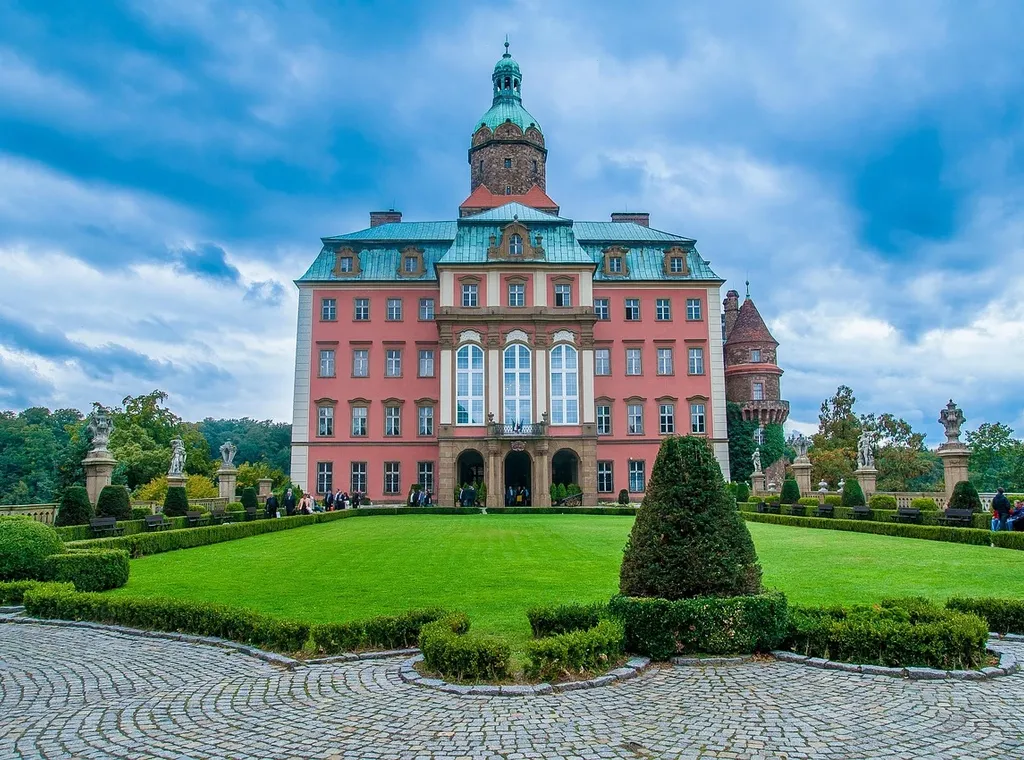
The Ghent Floralia Hall as urban space, collage, CRIT, 2020
Caro Philippe,
ti ringrazio per avermi spedito la pubblicazione che si interroga e immagina una nuova articolazione e funzione dello Smak (e del museo in generale), e anche per la tua lettera manoscritta che ha accompagnato l’invio.
Per risponderti vorrei iniziare proprio dalla tua “lettera d’accompagno” scritta a mano, un atto controcorrente, oltre che segno della tua volontà di confrontarti con gli artisti, cosa oggi molto significativa visto che – come giustamente osservi nella lettera pubblicata in “Le Musée et son Double” – i musei rischiano di essere ostaggio del “dicktat of numbers”, della “mediocrity of mesaurement”, risucchiati dalla logica dominante dell’entertainment e, aggiungo io, da ciò che pensano gli amministratori, i manager, che negli ultimi due decenni hanno acquistato sempre maggior potere all’interno dei musei (come oggi i virologi).
Dopo un anno come il 2020 che considero, con Giorgio Agamben, la definitiva affermazione del nichilismo, della negazione/frustrazione di tutto ciò che fa parte dell’umano in nome di una pretestuosa difesa della “nuda vita” che comporta l’appiattirsi dell’umano alla sola sussistenza biologica e il suo essere considerato solo come “cosa”, dovremmo riguardare tutti con forte spirito critico la società in cui eravamo “prima”, perché quello che è in atto oggi è la conseguenza di ciò che era già presente: nel nostro caso, tra l’altro, anche l’asservimento dell’arte a logiche a lei (e all’uomo) estranee. Per questo è così importante il tuo coinvolgimento degli artisti, che era una delle migliori qualità di Jan Hoet, che aveva uno sguardo aperto e giroscopico.
In questa direzione vedo la grande Hall en plein air – luogo in cui prima si custodivano e ammiravano le piante, degli esseri delicati ma in realtà poco considerati e di fatto marginali nella macchina positivistica del progresso – come il luogo adatto per accogliere l’essere umano e le sue creazioni e riflessioni, visto che ora abbiamo visto quanto poco la sua vita non biologica sia considerata e rispettata nel sistema e nell’economia globale (ma anche dai singoli asserviti individui). Immagino la grande Hall, e gli spazi che ruotano intorno, come un laboratorio aperto a 360° in cui prospettare un nuovo e diverso umanesimo, che sappia includere nell’umano il mondo vegetale e quello animale. Per questo penso sia importante che all’interno di questo luogo (e degli altri al chiuso) vi possa essere spazio per chi si batte per la difesa della natura e contro l’inquinamento e l’abuso delle risorse naturali, per chi si batte contro lo sfruttamento del regno animale, per chi combatte contro lo sfruttamento dell’uomo e la sua disumanizzazione, contro la povertà, e non solo contro il razzismo o le discriminazioni di genere. Sarebbe molto significativo che associazioni (anche internazionali) che si battono per i problemi su indicati abbiano una postazione fissa all’interno della mega struttura che hai immaginato e state immaginando.
Nella grande serra (e negli altri spazi del nuovo allargato museo) una delle più preziose piante da custodire deve certo rimanere l’arte, non solo quella oggi apertamente “politica” o sociale, ma anche quella più pura, e primordiale, che si rivela in artisti più schivi e solitari, in cui l’arte parla come un fiore fiorisce, senza un perché logico-discorsivo, come atto di scavo nella propria esperienza umana, psichica e spirituale. L’empatia, parola oggi sempre più importante, è in particolare la caratteristica di questo tipo di artisti, artisti in cui non si era instaurata (come invece accaduto per tanti altri) la “distanza di sicurezza” dall’altro e da se stessi, artisti in cui il disegno, la pittura o la scultura sono la diretta emanazione di un pensiero e sentimento empatico, non deformato da ideologie o da modi “politically correct” … ovvero di un “corpo a corpo”, non invece di un progetto o design predeterminato e asettico. Immagino così la grande serra e il nuovo museo come uno spazio in cui percepire allo stesso tempo voce e silenzio, come luogo di chi di fronte a tutto quello che stiamo passando da oltre un anno ha sentito la necessità non solo di ascoltare e toccare, ma anche di maggior silenzio nel carnevale della attuale “Società dello Spettacolo”.
Necessità di una nuova essenzialità e autenticità, di uno scavo per tirar fuori ciò che di umano (e ctonio e celeste) ha saputo resistere al dirompente deserto, alla negazione e frustrazione dell’umano – che segue, come detto, quella già avviata da almeno due secoli, e che riguarda lo sfruttamento folle e autodistruttivo del mondo naturale e animale.
Il doppio del museo non è così l’identico speculare (il suo design spirituale non può essere quelle delle “Twin Towers”, figlie del delirio globalizzante del potere economico e finanziario) ma l’apertura all’altro, anche nelle forme dell’autocoscienza e dell’autoscopia che ognuno può compiere come artista e uomo: l’altro in noi, l’altro dal quotidiano, l’altro dalla logica pragmatica, includendo anche l’altra metà della vita, ovvero quella che è chiamata morte… Quello che sento come nostra comune necessità è proprio questo grande visionario tentativo di riconciliazione con tutti questi altri che abbiamo rimosso, considerati come residuo inutile e improduttivo sia dal vecchio meccanicistico Capitale che dall’impalpabile nuovo Capitale digitale, tecnologico e finanziario.
Andrea Fogli, Roma, 4 febbraio 2021
www.andrea-fogli.it / @andrea.fogli_arte
Le Musée et son Double, model (1/100), CRIT., 2020
Imagining a museum today (first ideas)
Dear Philippe,
thank you for sending me the publication that questions and imagines a new articulation and function of Smak (and of the museum in general), and also for your handwritten letter that accompanied the sending.
To answer you I would like to start with your handwritten letter, an act against the tide, as well as a sign of your willingness to confront the artists, which is very significant today given that – as you rightly observe in the letter published in “Le Musée et son Double ” – because museums risk being held hostage by the” dicktat of numbers “, the” mediocrity of mesaurement “, sucked into the dominant logic of entertainment and what the administrators and managers think, who over the years have acquired more and more power to inside the museums (like virologist today).
After a year like 2020 that I consider, with Giorgio Agamben, the definitive affirmation of nihilism, of the negation/frustration of everything that is part of the human being in the name of a specious defense of “bare life” – that involves the flattening of the human being to biological subsistence and its being considered only as a “thing” – we should all look with a strong critical spirit at the society in which we were “before”, because what is taking place today is the consequence of what was already present: in our case, among other things, also the subjugation of art to logics foreign to it (and to man). This is why your involvement with the artists is so important, which was one of the best qualities of Jan Hoet, who had an open and gyroscopic gaze.
In this direction I see the great Hall en plein air – a place where plants were previously kept and admired, delicate beings but in reality little considered and in fact marginal in the positivistic machine of progress – as the suitable place to accommodate the human being and his creations and reflections, since we have now seen how little his non-biological life is considered and respected in the global system and economy. I imagine the large hall, and the spaces that revolve around it, like a 360 ° open laboratory in which to envision a new and different humanism, capable of including the plant and animal world in the human. This is why I think it is important that within this place (and the other closed ones) there can be space for those who fight for the defense of nature and against pollution and the abuse of natural resources, for those who fight against exploitation of the animal kingdom, for those who fight against the exploitation of man and his dehumanization (and not only against racism or gender discrimination) . It would be very significant for associations (including international ones) that fight for the problems indicated above to have a fixed position within the mega structure that you have imagined and are imagining.
In the large greenhouse (and in the other spaces of the new enlarged museum) one of more precious plants to be kept must certainly remain art, not only that today openly “political” or social, but also the purest and primordial one, which reveals itself in more reserved and solitary artists, in which art speaks like a flower it flourishes, without a logical-discursive reason, as an act of digging into one’s own human, psychic and spiritual experience. Empathy, an increasingly important word today, is in particular the characteristic of this type of artists, artists in whom the “safety distance” from each other and from themselves was not established (as has happened for many others). artists in which drawing, painting or sculpture are the direct emanation of an empathic thought and feeling, not deformed by ideologies or by “politically correct” ways … and rather a “hand-to-hand”, “body to body”, not instead of a project or design predetermined and aseptic. So I imagine the large greenhouse and the new museum as a space in which to perceive voice and silence at the same time, as a place for those who, faced with everything we have been going through for over a year, have felt the need not only to listen and touch, but also of greater silence in the carnival of the current “Society of the Entertainment”.
The need for a new essentiality and authenticity, of an excavation to bring out what human (and chthonic and celestial) has been able to resist the disruptive desert, the negation and frustration of the human – which follows, as mentioned, the one already started by at least two centuries, and which concerns the insane and self-destructive exploitation of the natural and animal world.
The double of the museum is not thus the identical mirror image (its spiritual design cannot be those of the “Twin Towers”, daughters of the globalizing delirium of economic power) but the openness to the Other, even in the forms of self-awareness and autoscopy that everyone can perform as an artist and man: the other in us, the other from everyday life, the other from the pragmatic logic, also including the other half of life, that is the one that it is called death… What I feel as our common need is precisely this great visionary attempt to reconcile with all these others that we have removed, considered as useless and unproductive residue both by the old mechanistic capital and by the impalbable new digital and technological capital.
Andrea Fogli, Rome, February 4, 2021
www.andrea-fogli.it / @andrea.fogli_arte