
Particulary of interactive monument to the Prime Minister of Bulgaria Boyko Borisov, 2019
*
” I am simple and you are simple therefor we understand each other”
“ Аз съм прост и бие сте прости и за това се разбираме“
“Io sono semplice e tu sei semplice, perciò ci capiamo”
Boyko Borisov
*
Monument from the Future, 1-4-2019, Sofia
3,60m glassfiber interactive monument to the Prime Minister of Bulgaria Boyko Borisov. The basic concept was to demonstrate that our contemporary deeds are our future history. There is a big chance that trivial or even ridiculous contemporaries could become our future heroes….
When someone passes by the statue it plays the Prime minister`s B. Borisov most popular winged words like’ I am simple and you are simple therefor we understand each other’.
The monument was temporary installed at Garibaldi square as an intervention in the city of Sofia on the first of April (fools day).
It was vastly reflected in the Bulgarian medias.
Monumento interattivo in fibra di vetro di 3,60 m del primo ministro della Bulgaria Boyko Borisov.
Il concetto di base era quello di dimostrare che le nostre azioni contemporanee sono la nostra storia futura. C’è una grande possibilità che dei contemporanei banali o addirittura ridicoli possano diventare i nostri eroi futuri….
Quando qualcuno passa vicino alla statua, suona la canzone del primo ministro Borisov, i suoi ritornelli più popolari, come “Io sono semplice e tu sei semplice, perciò ci capiamo”.
Il monumento è stato installato temporaneamente in piazza Garibaldi a Sofia il primo aprile (il giorno degli sciocchi) e la notizia ha avuto grande eco nei media in Bulgaria.
*
3.60m висок паметник от полиестерна смола на премиерът Бойко Борисов.
Основната идея е да се покаже че настоящите ни действия са нашата бъдеща история. Има голяма вероятност посредствени и дори смешни наши съвременници да бъдат превърнати в бъдещите ни герои.
Когато някой преминава покрай паметника той възпроизвежда нчкои от крилатите мисли на премиера като :“ Аз съм прост и бие сте прости и за това се разбираме.“
Паметникът беше временно изложен на площад „Гарибалди“ в София като интервенция в градската среда на 1.04 2019г. и беше широко отразен в българските медии.
Andrey Vrabchev
http://andreyvrabchev.com/#/eng/sculpture /// @ andrey.vrabchev
_______
Memorial, 2020
The installation consists of a headless figure draped in a Roma n toga, along with a set of interchangeable heads portraying a selection of contemporary politicians: Theresa May, Angela Merkel, Emmanuel Macron, Donald Trump, Vladimir Putin, and Boyko Borissov (PM of Bulgaria, the country of my origin). The heads are styli zed in a way that idealizes the politicians. Each one of them could be placed on the torso toga to. Additionally, some of the heads have small, visible, repairs as if subject to archaeological restoration. The contradiction between timeless and temporary is underlined in the economy of production and the chosen material, with the heads being made of stone, and yet an artificial one, not carved, but casts.
The work is inspired by the ancient Roman practice of placing headless statues of the Emperor, which allowed for a quick and easy replacement of the heads. At that time, statues were not only used for glorification but also to inform the citizens of who was in power, as an Emperor’s rule was often short-lived. The installation places at center stage the body of power or power itself which, essentially, is more important than the
person currently in power. This can also be related to the medieval concept of the two bodies of the king; one eternal (the statue) and one physical (the portrait).
I am convinced that the installation could become more interesting with the passing of time; once the politicians have left office, falling into oblivion, and their heads are not readily identified by the audience.
The museum-like installation aims to bring out the spectator an d the portraits of our times and create the feeling that the well-known portraits of contemporary politicians are perceived in the future as if they are anonymous archaeological artefacts.
*
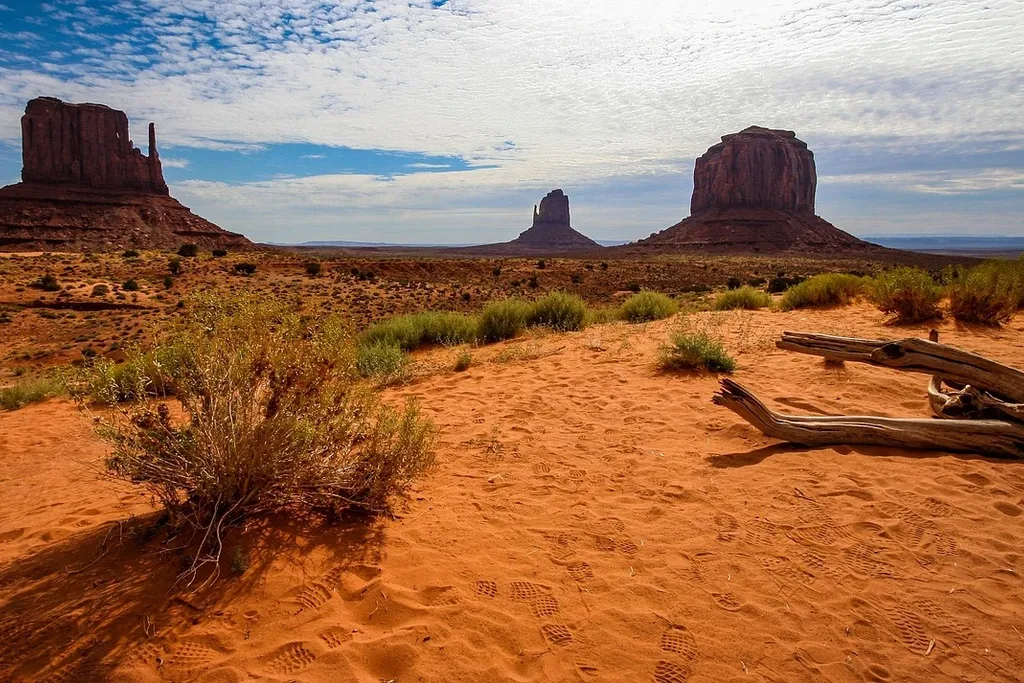
I met a traveller from an antique land,
Who said—“Two vast and trunkless legs of stone
Stand in the desert. . . . Near them on the sand,
Half sunk, a shattered visage lies, whose frown,
And wrinkled lip, and sneer of cold command,
Tell that its sculptor well those passions read
Which yet survive, stamped on these lifeless things,
The hand that mocked them, and the heart that fed;
And on the pedestal, these words appear:
My name is Ozymandias, King of Kings;
Look on my Works, ye Mighty, and despair!
Nothing beside remains. Round the decay
Of that colossal Wreck, boundless and bare
The lone and level sands stretch far away.”
Percy Bysshe Shelley, 1817
L’installazione consiste in una figura acefala drappeggiata in una toga romana e in una serie di teste intercambiabili che ritraggono una selezione di politici contemporanei: Theresa May, Angela Merkel, Emmanuel Macron, Donald Trump, Vladimir Putin e Boyko Borissov (premier della Bulgaria, il mio paese d’origine). Le teste sono stilizzate in modo da idealizzare i politici e realizzate in modo da essere collocate precisamente in cima alla statua acefala. La contraddizione tra atemporale e temporaneo è sottolineata dal materiale scelto, con le teste che sono di pietra, eppure artificiale, non scolpita, ma colata.
L’opera si ispira all’antica pratica romana di collocare statue acefale dell’imperatore così da permettere una rapida e facile sostituzione delle teste. A quel tempo, le statue non erano usate solo per la glorificazione ma anche per informare i cittadini su chi era al potere, dato che il governo di un imperatore era spesso di breve durata. L’installazione mette al centro della scena il corpo del potere o il potere stesso che, essenzialmente, è più importante della persona attualmente al potere. Questo può anche essere collegato al concetto medievale dei due corpi del re: uno eterno (la statua) e uno fisico (il ritratto).
Sono convinto che l’installazione potrebbe diventare più interessante con il passare del tempo, una volta che i politici saranno caduti nell’oblio e le loro teste non saranno più facilmente identificabili dal pubblico.
L’installazione di tipo museale mira a creare la sensazione che i ritratti dei noti politici contemporanei potranno essere percepiti in futuro come anonimi manufatti archeologici.
*
Ho incontrato un viaggiatore di una terra antica
Che disse: “Due immense gambe di pietra senza tronco
Stanno in piedi nel deserto. . . . Vicino a loro, sulla sabbia,
Giace mezzo affondato un viso frantumato, il cui cipiglio,
E il labbro rugoso, e il ghigno di freddo comando,
Dicono che il suo scultore ha ben letto quelle passioni
Che ancora sopravvivono, impresse su queste cose senza vita,
La mano che le ha derise, e il cuore che le ha nutrite.
E sul piedistallo, appaiono queste parole:
Il mio nome è Ozymandias, Re dei Re.
Guardate le mie opere, voi Potenti, e disperate!
Nulla oltre a questo rimane. Intorno al decadimento
Di quel colossale relitto, sconfinato e spoglio
Le sabbie solitarie e piatte si estendono all’infinito”.
Percy Bysshe Shelley, 1817
Инсталацията „Мемориал – Класически проект в съвременното изкуство” се състои от безглава фигура в римска тога и комплект от шест портрета на съвременни политици – Тереза Мей, Бойко Борисов, Владимир Путин, Доналд Тръмп, Еманюел Макрон, Ангела Меркел. Всеки един от тях може да бъде поставен на фигурата. Противоречието между вечното и временното е подчертано допълнително от евтините материали и отливките, а не скулптираните в камък портрети.
Скулптурната инсталация е вдъхновена от практиката в древен Рим да се поставят безглави статуи на императора (владетеля), които разрешават бърза и лесна подмяна на портрета на императора при неговата смяна. По това време статуи те са били използвани не само за възхвала, но и за информиране на поданиците за това, кой е на власт, която често траела кратко.
Инсталацията поставя в центъра на вниманието властта сама по себе си, властта, която е по-дълговечна и по-важна и непреходна от личността, която я представлява – притежава временно. Това може да отнесем и към средновековната концепция за двете тела на краля – едното вечно – статуята и едно физическо – порт рета.
Убедени сме, че с течение на времето, когато политиците, изобразени в тази творба, изгубят властта си и бъдат забравени от обществото, инсталацията ще стане много по-интересна и ще може да се чете в един по-широк контекст, отколкото в момента, защото ще избяга от злободневното. Нещо, което започна да става още по време на реализацията на проекта с падането от власт на някои от избраните лица.
Подреждането на инсталацията като в музей цели да я извади от н астоящето и да създаде усещането, че съвременните портрети на добре познати личности с е възприемат в бъдеще време, в което те са безименни археологически артефакти.
Странник непознат от край далечен ми разказа: два огромни крака сред пустинята стърчат, изваяни от камък. Във пясъка до тях, напукан и полузарит, лежи на мъж ликът. Усмивката на този лик, надменен и студен, говори, че ваятелят добре е разгадал
човека — страстите му и до този ден от камъка надничат: страсти на човек без жал. „Аз Озимандий съм и цар съм над царете! Делата мои всички със завист погледнете!“ — все още на пиедестала тез слова личат. Но друго нищо няма. Покрай тая развалина огромна голи пясъци мълчат, самотни и безжизнени, се губят във безкрая.
1817 Пърси Биш Шели

Andrey Vrabchev
http://andreyvrabchev.com/#/eng/sculpture /// @ andrey.vrabchev